Help Us to build
A Better World
The Concrete Advancement Foundation funds research and projects that advance concrete innovation, decarbonization, and sustainable construction. Together, we can create resilient, affordable communities and world-class infrastructure for a stronger, more sustainable future.
STRATEGIC vision
The Concrete Advancement Foundation funds research and projects that advance concrete innovation, decarbonization, and sustainable construction. These efforts support resilient, affordable communities and world-class infrastructure. Learn more about our strategic plan and how we are shaping the future of sustainable concrete construction.
OUR PROJECTS
Our projects advance innovation across every corner of the concrete industry. From supporting cutting-edge research at the MIT Concrete Sustainability Hub to promoting sustainable construction, improving health and safety, and developing workforce education programs, the Concrete Advancement Foundation is investing in the future of concrete. Explore how each initiative is building a stronger, smarter, and more sustainable world.
MIT Concrete Sustainability Hub
Sustainability
Concrete Applications
Health & Safety
RECRUITMENT, EDUCATION & TRAINING
Partnerships
The Concrete Advancement Foundation proudly partners with leading organizations
and universities to advance sustainable concrete research and innovation.

WHAT'S NEW FROM THE FOUNDATION
Stay informed with the latest news, research highlights, and project updates from the Concrete Advancement Foundation. Our News page offers a comprehensive look at how we are funding innovative research, supporting sustainability in concrete construction, and advancing education and workforce development across the industry. Explore articles that highlight our collaborations, partnerships, and breakthroughs, along with stories that reflect our community impact and commitment to a stronger, smarter, and more sustainable future for concrete.
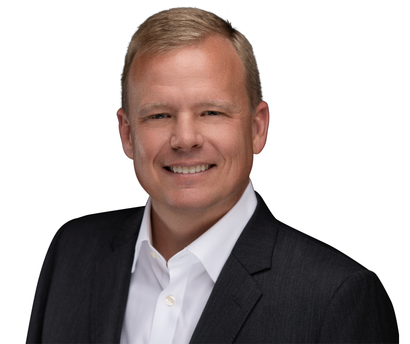
Chris “Elroy” Stricklin
Featured Speaker
Retired U.S. Air Force Colonel, combat veteran, crash survivor and corporate construction industry trainer Chris “Elroy” Stricklin will join the CAF Golf Tournament as a featured speaker during the Thought Leadership Breakfast. In his session, “Built to Serve: Resilience, Leadership, and Purpose,” Stricklin will draw on his extraordinary experiences in aviation, leadership and survival to share powerful lessons on navigating adversity, leading with purpose and building the resilience to move forward when the unexpected happens. Read the Press Release here.
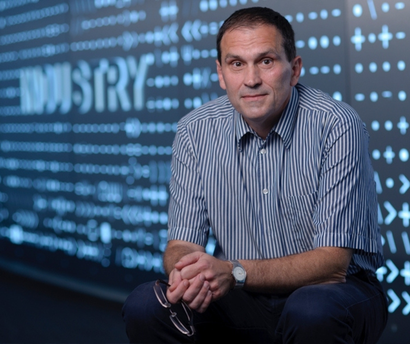
Franz-Josef Ulm
Featured Speaker
MIT Professor Franz-Josef Ulm, a leading expert in concrete science and engineering, will join the CAF Golf Tournament as a featured speaker during the Thought Leadership Breakfast. In his presentation, “Materials, Megawatts, and the Future of Infrastructure: Concrete in the Energy Transition,” Ulm will explore the evolving role of concrete in meeting growing energy and infrastructure demands and share insights into the materials, technologies and innovations shaping the future of the built environment. Read the press release here.
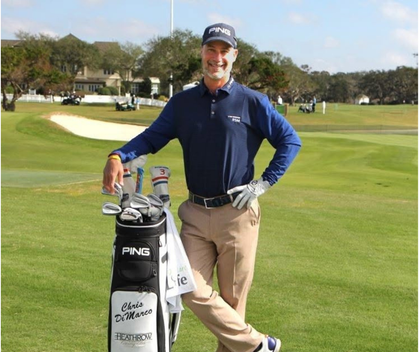
Chris DiMarco
Featured Guest
PGA TOUR Champions golfer and three-time PGA TOUR winner Chris DiMarco will join the inaugural CAF Golf Tournament as a featured guest. DiMarco will connect with participants during the Welcome Reception before taking to the course on tournament day, where he’ll host an on-course clinic, share tips and insights from his professional career, and play select holes alongside tournament participants for a memorable golf experience. Read the press release here.
Walk for Wellness 2026
Registration and sponsorship opportunities are officially open for the 2026 CAF Walk for Wellness, taking place October 17 in Nashville during NRMCA ConcreteWorks. The annual event brings the concrete community together for a morning of movement, connection and fun while supporting CAF’s commitment to workforce development, wellness and safety, and resilient and sustainable communities. For more information, please check out the website.

Leave a Legacy
The Concrete Advancement Foundation’s Leave a Legacy initiative offers supporters an opportunity to make a lasting investment in the future of the concrete industry. Through planned and legacy giving, donors can help advance CAF’s work in education, workforce development, safety, innovation and community resilience while creating an impact that extends well beyond today. Learn more here.

Inaugural CAF Golf Tournament
The Concrete Advancement Foundation will bring industry leaders together December 7–8 in Dallas for the inaugural CAF Golf Tournament, a two-day event combining thought leadership, networking and championship golf. Featuring a Welcome Reception, Thought Leadership Breakfast and tournament play at the Nelson Club at TPC Las Colinas, the event will raise funds to support CAF’s mission and the future of the concrete industry. Read the announcement here.
EVENTS
Explore upcoming events hosted and supported by the Concrete Advancement Foundation. Our programs bring together industry professionals, students, and innovators to share knowledge, celebrate creativity, and advance the science of concrete. Whether through educational webinars or community initiatives, each event highlights our commitment to shaping a stronger, smarter, and more sustainable future for concrete.

Inaugural CAF Golf Tournament
Experience two days of championship golf, meaningful networking, and thought leadership at The Ritz-Carlton Dallas, Las Colinas and the Nelson Club at TPC Las Colinas, December 7–8, 2026. Join leaders from across the concrete industry while supporting the Concrete Advancement Foundation's mission to fund research and projects that advance concrete innovation, decarbonization, and sustainable construction.
2026 Walk for Wellness
Join the Concrete Advancement Foundation for the 2026 Walk for Wellness on Saturday, October 17, 2026, at the Gaylord Opryland Resort in Nashville, Tennessee, held in conjunction with NRMCA's ConcreteWorks and the National Mixer Driver Championship. This annual event brings together concrete industry professionals for a morning of wellness, networking, and community while supporting the Foundation's mission to advance concrete industry workforce development, wellness and safety, as well as resilient and sustainable communities and infrastructure.
Concrete is traditionally viewed as a passive material, but emerging research is expanding its potential. This webinar explores carbon-cement supercapacitors, which combine structural performance with energy storage.
Prof. Admir Masic discusses advancements that improve energy density and scalability, along with potential applications in resilient infrastructure, grid-adjacent storage, and energy-integrated building systems.